
Why Train Stations Can Become Unexpected Travel Attractions

Train stations are often viewed primarily as places where journeys begin and end, yet many have developed into destinations worth visiting in their own right. Their architecture, history, location, and relationship with local communities can make them significant cultural landmarks. Some stations occupy important positions within city centers, while others are notable for their design or historical role in transportation. As a result, travelers may discover that a station can offer a meaningful experience even when they are not simply passing through on their way to another destination.
How Architecture Gives Stations Character
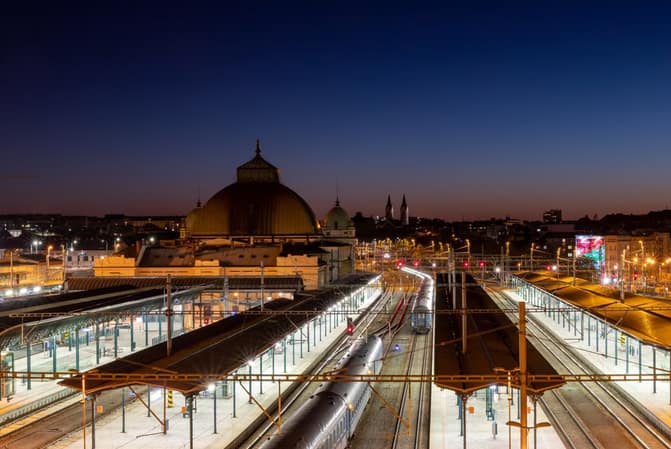
Train stations can feature distinctive architectural elements that reflect the period and purpose for which they were constructed. Large entrances, vaulted ceilings, decorative details, platforms, bridges, and historic facades can give stations a strong visual identity. In some cases, the buildings combine practical transportation needs with architectural ambitions, making them comparable to other important public structures. Their design can therefore become part of the attraction, particularly when historic elements have been preserved alongside modern transportation facilities.
Why Historical Significance Matters
Many train stations are closely connected to the development of the cities and regions they serve. Railways have played major roles in industrialization, migration, commerce, tourism, and urban expansion, giving certain stations considerable historical importance. A station may have witnessed important changes in a city’s development or served as a major connection between different communities. Understanding this history can transform an ordinary transportation facility into a place that helps visitors understand how a destination developed.
How Stations Reflect Local Culture

Stations bring together residents, commuters, workers, and travelers, creating environments where local life can be observed alongside tourism. Shops, food vendors, public art, signs, and everyday interactions can reflect the character of the surrounding community. Because stations serve practical functions for residents, they often provide a different cultural perspective from attractions designed specifically for visitors. The combination of ordinary activity and travel infrastructure can make the experience particularly revealing.
The Importance of Location and Urban Connections
Many major stations are positioned near central districts, historic neighborhoods, commercial areas, or important public spaces. Their locations can make them natural gateways into a destination and connect transportation with the wider urban environment. A station may also provide access to surrounding streets, landmarks, markets, museums, and public spaces within walking distance. This relationship between transportation and urban geography can make the station itself an important part of the travel experience.
How Modern Stations Create New Experiences

Contemporary train stations are increasingly designed as multifunctional spaces rather than simple platforms and waiting areas. Retail stores, restaurants, galleries, public art installations, and community spaces can be incorporated into station complexes. Some modern facilities are notable for innovative engineering or sustainable design, while historic stations may combine preserved architecture with updated infrastructure. These developments demonstrate how railway facilities can evolve into places that meet transportation needs while also contributing to a destination’s identity.
Train stations can become unexpected travel attractions because they combine architecture, history, culture, transportation, and urban life within a single environment. Their significance may come from a remarkable building, an important historical role, a distinctive local atmosphere, or a strategic connection to the surrounding city. Rather than functioning solely as places of departure and arrival, many stations have become landmarks that reveal how communities developed and how people move through them. For travelers, these qualities can turn an otherwise routine stop into an interesting part of the journey.
